
Quick Answer
Septic tank sludge dissolvers are biological or enzymatic products that introduce live bacteria and targeted enzymes into your tank to break down accumulated organic solids. The best ones contain 1–10 billion CFU per dose and can meaningfully slow sludge accumulation — but no product on the market eliminates the need for professional pumping.
Key Takeaways
- Sludge builds at roughly 70–80 gallons per person per year; a 1,000-gallon tank serving four people needs pumping every 3–5 years
- Biological (bacteria-based) treatments are the only category worth buying — chemical dissolvers kill your tank's ecosystem
- Effective products contain 1–10 billion CFU per dose and require 2–6 months of consistent use to show measurable results
- The EPA does not endorse septic additives and states that properly functioning systems generally don't require them
- Use a dissolver to extend intervals between pump-outs, not to replace them
Your drains are slow. Maybe the yard smells faintly wrong after a rain. Or you're doing the math: your 1,000-gallon tank, four people, and you haven't pumped in four years. You want to know if a $20 bottle of bacteria from the hardware store will actually do anything — or whether you're about to flush money down the toilet.
Here's the honest answer, without the runaround.
What Is Sludge, and Why Does It Build Up?
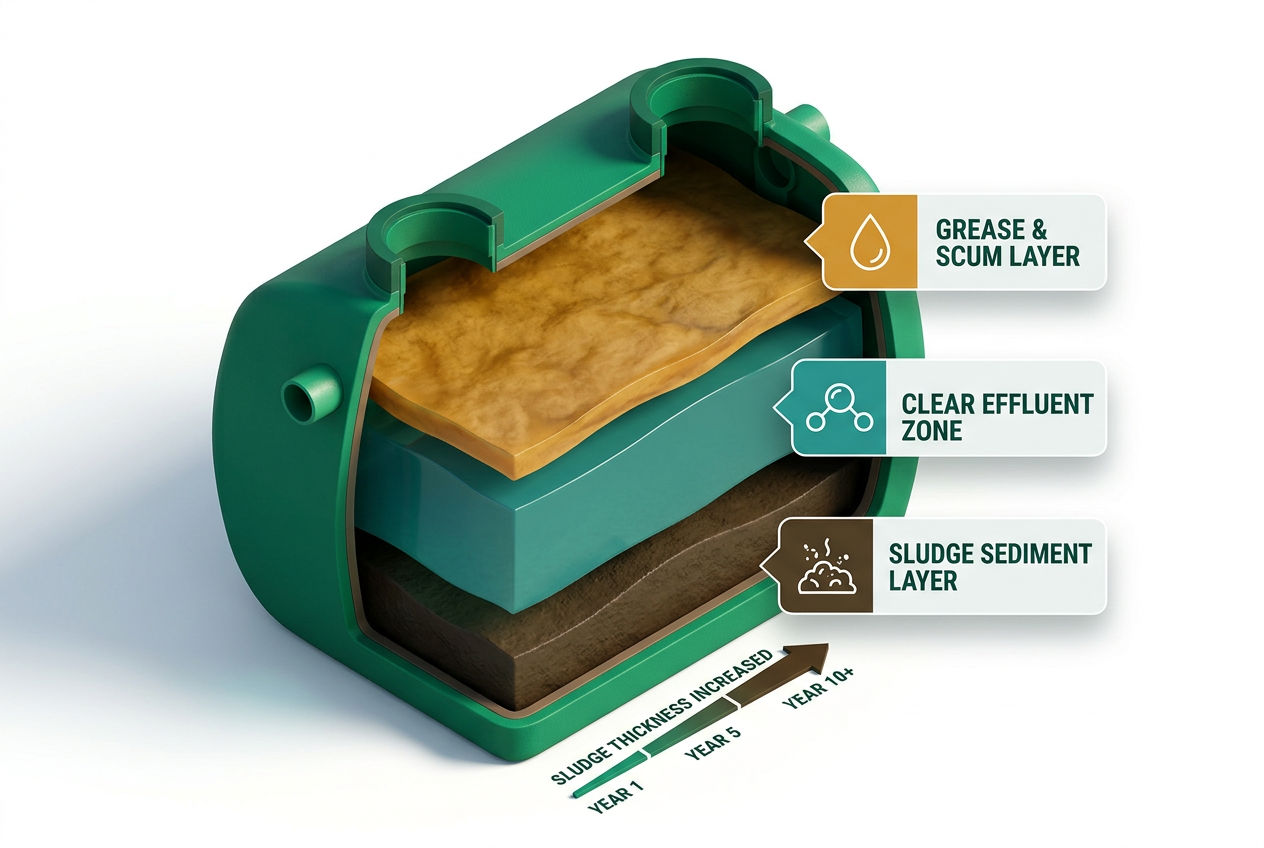
Before evaluating any septic tank sludge treatment, you need to understand what you're actually trying to dissolve. Your septic tank separates waste into three distinct layers. Fats, oils, and grease float to the top as a scum layer. Clarified liquid — effluent — sits in the middle and flows out to the drain field. Heavy solids sink to the bottom and form a dense, compressed mat called sludge.
That bottom layer is mostly organic material: fecal solids, food particles, toilet paper fiber, and dead bacterial biomass. Anaerobic bacteria in the tank digest a portion of it. But they can't digest everything. What's left compresses and accumulates year after year.
The math is unforgiving. A typical household generates 70–80 gallons of sludge per person per year. A family of four in a 1,000-gallon tank accumulates roughly 280–320 gallons of sludge annually. That's nearly a third of your tank's capacity disappearing in 12 months — before factoring in the scum layer above it.
According to the EPA, tanks should be pumped when the combined sludge and scum layers occupy approximately one-third of the total tank volume. For a standard 1,000-gallon concrete tank, that threshold arrives in roughly 3–5 years for a household of three to four people. Add a garbage disposal and you're looking at every two years. Miss a few pumping cycles and that sludge starts pushing into the effluent zone — and eventually into your drain field.
A clogged drain field is not a $300 problem. It's a $5,000–$20,000 problem. Those stakes are exactly why the septic tank maintenance guide always starts with sludge.
Do Septic Tank Sludge Dissolvers Actually Work?
Yes — biological treatments can reduce sludge accumulation — but the effect is moderate, slow, and not a substitute for pumping.
The honest nuance matters. Biological sludge dissolvers work by flooding your tank with high-density colonies of bacteria that outcompete or supplement the anaerobic microbes already present. The goal is to accelerate digestion of organic solids faster than new waste adds to the layer. Some products claim 20–40% sludge volume reduction over 6–12 months of consistent use. Independent verification of those specific numbers is limited. However, multiple university extension programs — including Penn State Extension and the University of Minnesota Extension — have published findings showing that biological additives can support bacterial populations in tanks that have been disrupted by antibiotics, bleach, or harsh cleaners. The effect in a healthy, undisturbed tank is less dramatic.
What the research consistently confirms: biological treatments can help; they cannot reverse a full or failing system. If your sludge level is already above the one-third threshold, no $20 bottle will fix that. You need a pump truck.
The EPA's position, stated plainly at epa.gov/septic, is that properly functioning septic systems don't require additives. That's the baseline. Dissolvers are a supplement for stressed or maintenance-minded systems — not a cure.
Can You Remove Septic Sludge Without Pumping?
You can slow it down — but you cannot remove accumulated sludge without a pump truck.
This is the question behind the question for most homeowners reading about septic sludge removers. The appeal of a biological treatment is real: if bacteria can digest organic solids, why can't they simply digest everything given enough time? The answer comes down to rate. Your tank generates new sludge continuously. Biological treatments accelerate digestion, but they cannot outpace years of backlog in a tank that's already at or near capacity.
What a quality septic tank sludge treatment can do is narrow the gap between pumping cycles. A well-maintained tank using a consistent biological additive — one with sufficient CFU counts and the right bacterial strains — can extend a 3-year pumping interval to 4 or 5 years in some households. That's real value. It's just not the same as elimination.
If you're searching for a septic sludge remover because you've already gone five or six years without pumping, start with a pump-out. Then start a maintenance treatment. The sequence matters.
The 4 Categories of Septic Sludge Removers (Ranked by Effectiveness)
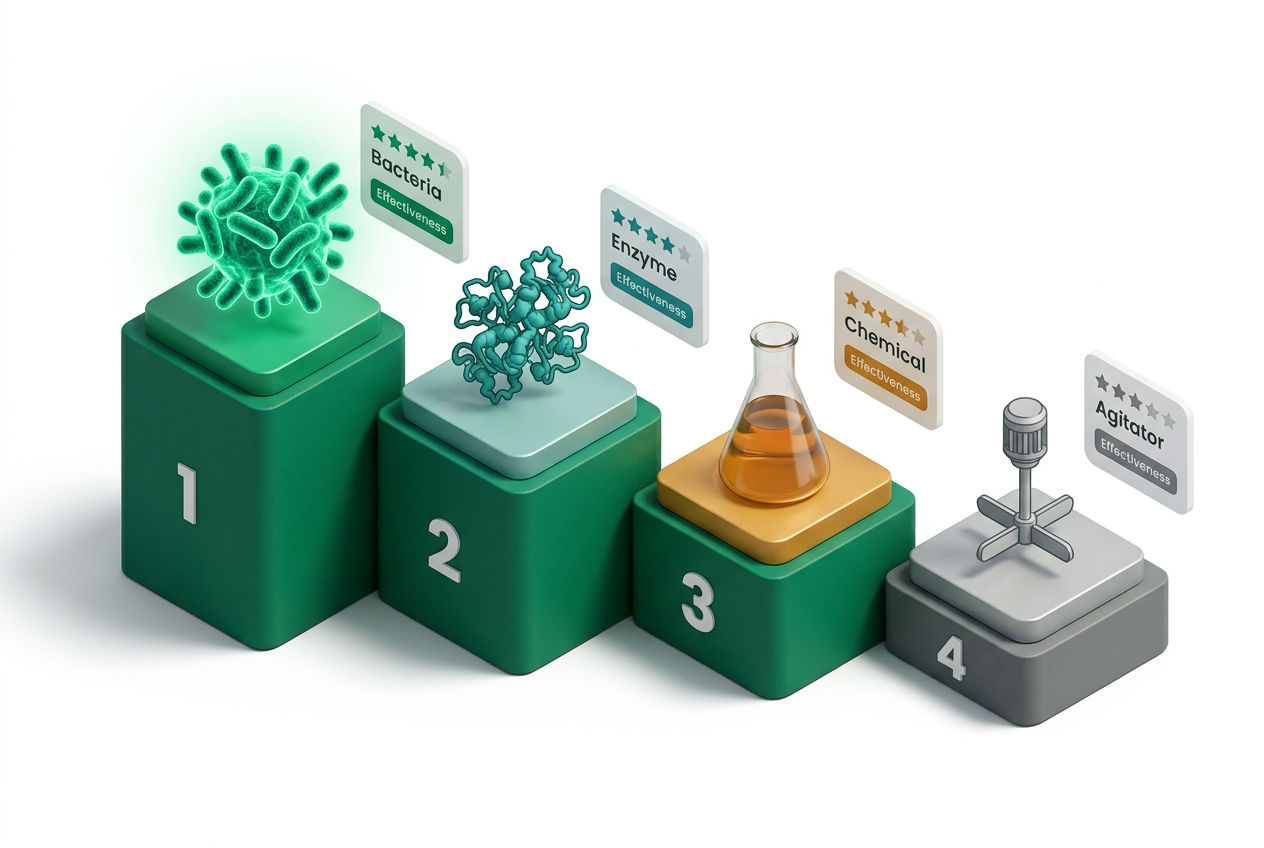
1. Biological Treatments (Bacteria-Based) — Best Option
Biological treatments introduce live anaerobic or aerobic bacteria — or a blend of both — directly into your tank. These microbes produce enzymes as a metabolic byproduct, which break down the organic compounds in sludge. Effective products contain 1–10 billion CFU (colony-forming units) per dose. Look for products specifying multiple bacterial strains, because different strains target different substrates.
For optimal bacterial activity, your tank's pH should sit between 6.5 and 7.5. If you've been running heavy doses of bleach-based cleaners or flushing antibiotics, the tank environment may be hostile to introduced bacteria — worth addressing before starting a treatment program. See what kills septic bacteria for the full list of tank disruptors.
Our pick: Septifix. Septifix uses an oxygen-releasing tablet format that carries 14 strains of live aerobic bacteria at approximately 10 billion CFU per tablet. The oxygen release mechanism is the differentiator — aerobic bacteria are significantly more aggressive sludge digesters than anaerobic strains, and the oxygen environment directly targets the sulfur compounds responsible for odor. One tablet flushed down the toilet treats the entire tank: no measuring cups, no mixing, no special access to the tank lid. It's made in the USA, non-toxic, and backed by a 60-day money-back guarantee. At roughly $3–$4 per treatment, it's competitive with mid-range biological products.
For a direct comparison with the market leader, see Rid-X vs. Septifix.
Other reputable biological options:
- Rid-X — the most widely available product, with a documented bacterial and enzyme blend. It works for maintenance but has lower CFU counts than some competitors. See our Rid-X review for the full breakdown.
- Bio-Clean — concentrated, professional-grade blend with strong enzyme diversity; typically sold through plumbing suppliers. See our Bio-Clean review.
- Cabin Obsession — monthly pod format, convenient for seasonal-use properties. See the Cabin Obsession review.
2. Enzymatic Treatments — Useful Support, Not Standalone
Enzyme treatments — sometimes labeled as "septic system enzyme cleaners" — deliver pre-manufactured enzymes without live bacteria. The four key enzyme types are:
- Lipase — breaks down fats, oils, and grease in the scum layer
- Protease — digests proteins
- Cellulase — targets cellulose (toilet paper, plant fiber)
- Amylase — dissolves starches
Enzymes work faster than bacteria because they don't need time to colonize the tank. But they're consumed in the reaction and don't reproduce. Once they're used up, the effect stops. Most septic tank enzyme products combine enzymes with live bacteria for this reason — the bacteria sustain the process after the enzymes do the initial heavy lifting.
Standalone enzyme products are useful for targeted problems (a grease-heavy tank, for instance) but aren't the best long-term sludge management strategy on their own.
3. Yeast and DIY Remedies — Mostly Myth
Flushing a packet of baker's yeast is one of the most persistent pieces of septic folklore. Yeast does produce some enzymes and can briefly stimulate bacterial activity. But yeast cells aren't optimized for a septic environment, they can't tolerate the pH swings and anaerobic conditions well, and any effect is transient. Our breakdown of homemade septic tank treatments covers this in detail — the verdict is not encouraging.
Baking soda and vinegar are similarly overhyped. They're not harmful in small amounts, but they're not sludge dissolvers.
4. Chemical Treatments — Avoid
Sulfuric acid, formaldehyde, and lye-based products are sometimes marketed as drain-clearing septic treatments. Don't use them. Chemical treatments kill the beneficial bacteria that make your septic tank function. They can corrode concrete tank walls, deteriorate PVC baffle walls, and push a slug of biologically dead, chemically altered effluent directly into your drain field.
That biomat-clogged drain field you're trying to prevent? Chemical treatments accelerate it. See do septic additives work for a deeper look at the evidence.
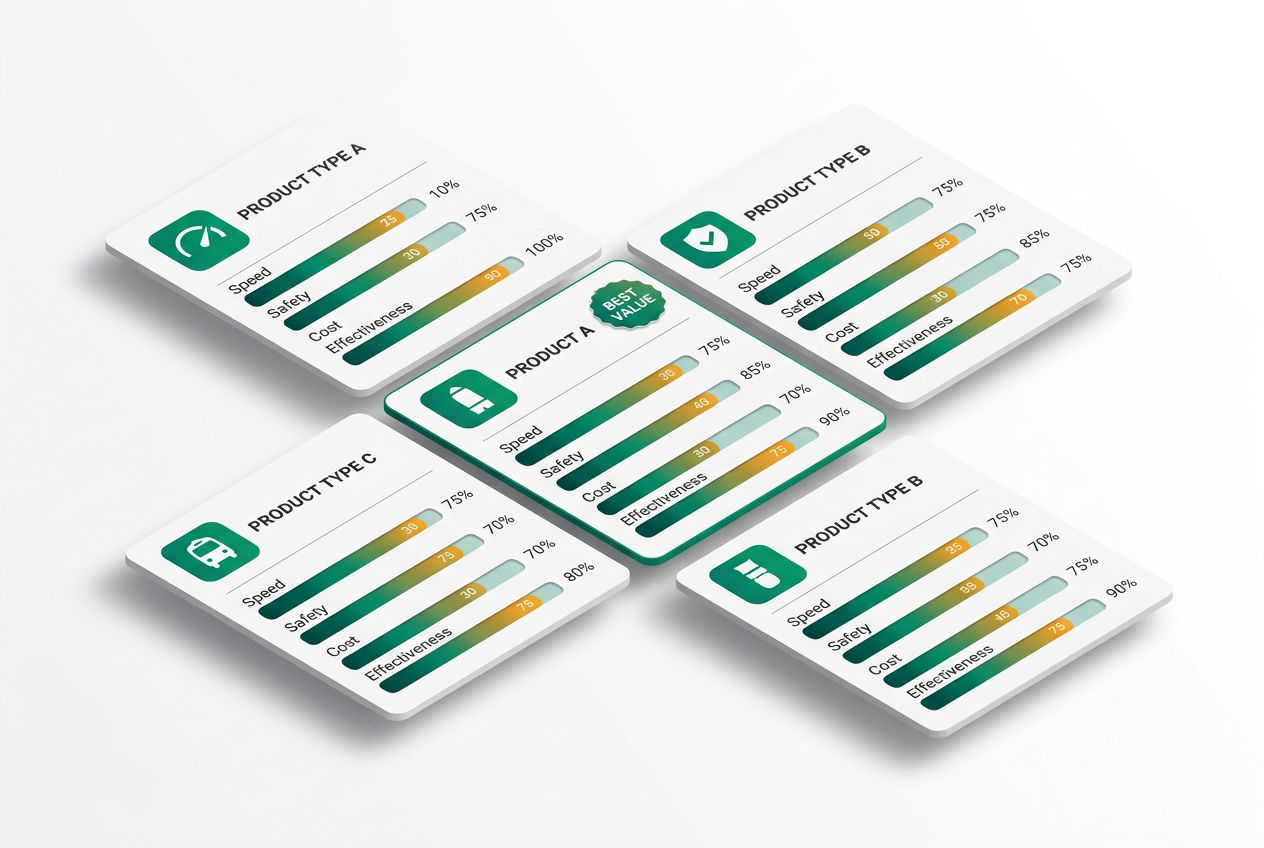
Septic Sludge Dissolver Comparison
| Product Type | CFU Count | Works on Sludge? | Safe for System? | Cost/Month |
|---|---|---|---|---|
| Septifix (aerobic bacteria) | ~10 billion/tablet | Yes | Yes | ~$3–4 |
| Rid-X (bacteria + enzymes) | ~5.7 billion/dose | Moderate | Yes | ~$5–7 |
| Bio-Clean (concentrated) | High, varies | Yes | Yes | ~$6–10 |
| Enzyme-only products | No live bacteria | Limited | Yes | ~$4–8 |
| Chemical/acid treatments | N/A | No | No | ~$5–15 |
Source: Product manufacturer specifications; SepticTankHub editorial review. Independent clinical trials on specific sludge reduction percentages are limited.
How to Use a Sludge Dissolver Effectively
Getting real results from a biological septic tank sludge treatment requires more than a monthly flush. Here's what actually moves the needle:
Dose consistently. Bacteria need to establish a stable colony before they significantly outpace sludge accumulation. Most manufacturers recommend 2–6 months of monthly treatment before expecting measurable results. Skipping months resets the clock.
Eliminate disruptors first. A monthly dose of live bacteria means nothing if you're running bleach-heavy laundry products or antibacterial cleaners down the drain daily. Switch to septic-safe cleaning products before starting any treatment program. The bacteria you're paying for need a survivable environment.
Space your water use. Back-to-back laundry loads on a Saturday afternoon send a hydraulic surge through the tank that physically flushes bacterial colonies out toward the drain field before they've digested anything. Spread laundry across the week — one load per day — to keep flow rates manageable.
Account for cold weather. Bacterial activity drops significantly below 50°F and goes nearly dormant below 40°F. In northern states — Minnesota, Wisconsin, Maine, the Dakotas — winter months may see minimal treatment benefit. Some homeowners double their dose in spring to restart bacterial populations after the cold season. Maintain consistent dosing year-round; just set realistic expectations for winter performance.
Check your sludge level first. Before starting a treatment program, use a sludge judge — a clear acrylic tube that pulls a core sample from the tank bottom — to measure how deep your sludge layer actually is. If it's above the one-third mark, start with a professional septic pumping and then begin your treatment regimen. You cannot treat your way out of a tank that's already full.
Verify product approval if you're in a regulated state. Washington State's Department of Ecology publishes an approved septic additive list. If you're in the Pacific Northwest or another state with specific additive regulations, confirm your product is on it before purchasing.
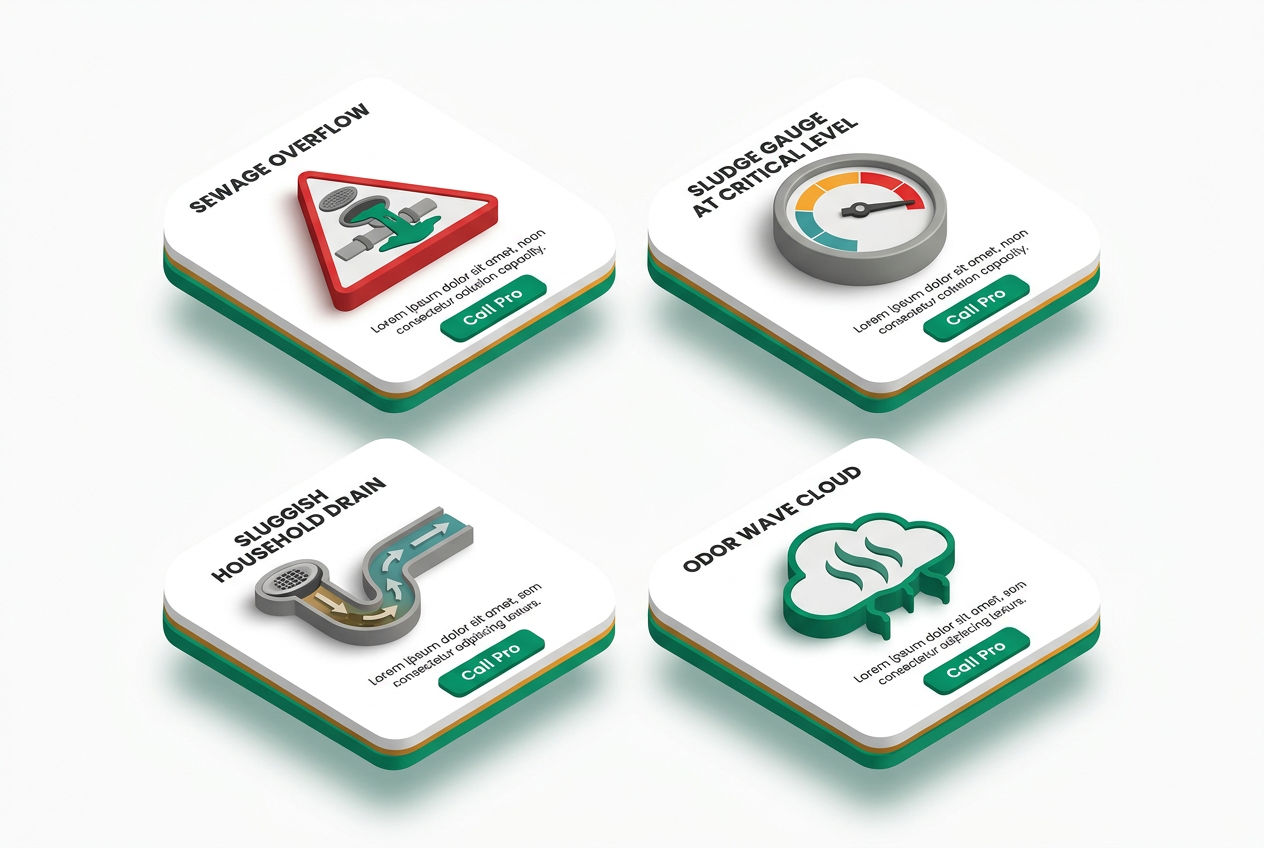
When Should You Call a Professional Instead?
Some situations call for a pump truck, not a product.
- Slow drains throughout the house — not just one fixture, but multiple — suggest the tank is full or the inlet baffle is partially blocked.
- Sewage odors inside the home, particularly near floor drains or toilets, indicate gas backflow from a full tank.
- Standing water or unusually green grass over the drain field means effluent is surfacing — a sign of drain field failure, not just a sludge problem.
- You haven't pumped in more than 5 years. At that point, a biological treatment is maintenance, not rescue. See signs your septic tank needs pumping for the full symptom list.
- Recent sewage backup into fixtures means the tank is at or beyond capacity. This requires immediate professional service.
Understanding septic pumping costs before you call helps you budget accurately. Typical pump-outs run $300–$600, up to $1,000 or more in rural Minnesota or remote areas of the Pacific Northwest. That's a manageable expense compared to drain field replacement.
If you're unsure whether you're dealing with a sludge issue or something more structural, a septic inspection will tell you definitively what you're working with before you spend money on products that won't solve the real problem.
If your system is structurally sound and you're looking to maintain it between pump-outs, Septifix is the treatment we recommend for the specific situation this article covers — active sludge accumulation in an otherwise functioning tank. Each tablet releases oxygen and 14 strains of aerobic bacteria directly into the tank, targeting odor and sludge at the source rather than relying on enzymes alone. Dosing is a single tablet flushed down the toilet, at roughly $3–$4 per treatment. That said, no additive replaces pumping — the EPA's position on that hasn't changed, and ours won't either.
For a homeowner whose last pump-out was more than four years ago, here's the practical calculus: a biological treatment costs $3–$10 per month. A pump-out costs $300–$600. A drain field replacement costs $5,000–$20,000. The sequence that makes financial sense is pump first, then treat. Know how often to pump your septic tank for your household size so you're never guessing.
What Should You Actually Do?
Here's a practical sequence for most homeowners:
Step 1: Establish your baseline. When was your last pump-out? If it's been more than 3–4 years for a household of three or more, schedule one before starting any treatment. A biological product can't make up for years of accumulated sludge.
Step 2: Get a pump-out if needed. Use the SepticTankHub directory to find a licensed pumper in your area. Have them measure your sludge and scum layers and record the depth. This is your baseline for future comparisons.
Step 3: Start a monthly biological treatment immediately after pumping. This is where Septifix earns its place as our recommended product. Flush one tablet per month — nothing to measure, no tank access required. The 14 bacterial strains and oxygen-releasing mechanism give it a meaningful advantage over standard anaerobic-only products, particularly for odor control and sludge digestion rate. At $3–$4 per month, the cost is negligible relative to the pumping interval it can extend.
If you've used Rid-X before and want to understand the practical difference, the Rid-X vs. Septifix comparison covers the CFU counts, bacterial strain diversity, and format differences side by side. Neither product replaces pumping. If you're choosing one for ongoing maintenance, Septifix is the one we'd reach for.
Step 4: Eliminate disruptors. Switch to septic-safe cleaning products, distribute laundry loads across the week, and avoid flushing anything that doesn't belong in a septic system.
Step 5: Set a pumping reminder. Most households with a consistent biological treatment program can extend pumping intervals by 12–24 months. Don't use that as a reason to skip pumping indefinitely — use it as a reason to pump every 4–5 years instead of every 3.
No additive reverses neglect. But for a homeowner who stays ahead of the curve, a consistent biological treatment is one of the cheapest maintenance investments available.
Related Rid-X & Septic Treatment Guides
- Aerobic Septic System Diagram: How Each Part Works
- Are Septic Tank Treatments Necessary?
- Best Septic Tank Treatment for Slow Drains
- Bio-Clean Septic Treatment Review: Does It Work?
- Cabin Obsession Septic Tank Treatment Review
- Camco Septic Tank Treatment Review
- Green Gobbler Septic Treatment Review: Pods, Packets & Results
- How Often Should You Use Rid-X? Directions, Dosing & Timing
- How to Handle How Often to Use Septic Tank Treatment: Step by Step
- Is Rid-X Safe for Septic Tanks, Toilets & Pipes?
- Is Septic Tank Smell Dangerous? Gases, Risks & When to Worry
- The Best Rid-X Alternatives
- Does Rid-X Unclog Drains or Toilets?
- Can You Use Rid-X in an RV Black Tank? What to Know First
- What's Actually in Rid-X? Ingredients Explained
- Rid-X vs. Green Gobbler: Which Septic Treatment Wins?
- Septic Tank Smell After Pumping? Causes & How to Fix It
- Septic Smell From Roof Vent? Causes & How to Fix It
- Septic Smell From Shower Drain? Causes & How to Fix It
- Septic Smell Coming From Toilet? Causes & How to Fix It
- Septic Smell When It Rains? Why It Happens & How to Fix It
- Septic System Diagram With a Pump
- Septic Tank Cross-Section Diagram: Every Part Labeled
- Septic Tank Diagram With Dimensions
- Yeast, Baking Soda & Milk in Your Septic Tank: Myths Tested
- Septic Tank Plumbing Diagram: From House to Drain Field
- The Best Septic Tank Smell Removers
- Septic Tank Treatments at Walmart vs. Home Depot vs. Online
- Septic Treatment Tablets vs. Powder vs. Liquid: Which Is Best?
- Where to Buy SeptiFix
- Rid-X Platinum Review: Is the Upgrade Worth It?
- Zep Septic Defense Review: Does It Beat Rid-X?
- The Best Septic Treatment for Toilet Paper Breakdown
- Instant Power Septic Shock Review: Does It Work?
Frequently Asked Questions
Does a septic tank sludge dissolver actually reduce sludge levels?
Yes — a biological septic tank sludge dissolver can measurably reduce sludge accumulation, but the effect is gradual and depends heavily on consistent use. Products containing 1–10 billion CFU per dose introduce live bacteria that accelerate digestion of organic solids faster than the tank's existing anaerobic population can manage alone. University extension research from Penn State and the University of Minnesota confirms that biological additives can restore bacterial populations disrupted by antibiotics or bleach-based cleaners. In a reasonably maintained tank, consistent monthly treatment over 6–12 months can extend pumping intervals by one to two years. What a dissolver cannot do is reverse a tank that's already past the one-third sludge threshold — at that point, professional pumping is the only real answer. Think of a biological treatment as maintenance, not rescue. If your last pump-out was more than four years ago, schedule one first, then start a treatment program.
What is the best septic sludge remover on the market?
The best septic sludge remover for most homeowners is a biological product with a high CFU count and multiple bacterial strains. Our pick is Septifix, which delivers approximately 10 billion CFU per tablet across 14 aerobic bacterial strains in an oxygen-releasing format. That oxygen release mechanism is the meaningful differentiator: aerobic bacteria digest organic sludge more aggressively than the anaerobic strains found in most competing products, and the oxygen environment also directly targets the sulfur compounds responsible for septic odor. Dosing is simple — one tablet flushed down the toilet treats the entire tank monthly, with no measuring or tank access required. At $3–$4 per treatment, it's competitively priced. Rid-X is a widely available alternative with a solid bacterial and enzyme blend, though its CFU count is lower and it uses anaerobic-only strains. For a full side-by-side comparison, see Rid-X vs. Septifix. Chemical treatments — acid or lye-based products — should be avoided entirely; they kill the beneficial bacteria that make your tank function.
How long does it take for a septic tank sludge treatment to work?
Expect 2–6 months of consistent monthly treatment before seeing measurable results from a biological septic tank sludge treatment. The timeline reflects two realities: first, introduced bacteria need time to establish stable colonies in your tank's environment; and second, sludge digestion is a slow biological process, not an instant chemical reaction. Products like Septifix that use aerobic bacteria may show faster results than anaerobic-only formulas because aerobic strains are more metabolically aggressive digesters. Consistency is the critical variable — skipping a month during the establishment phase can reset bacterial populations and extend the timeline. Factors that slow results include cold tank temperatures (below 50°F significantly reduces bacterial activity), recent antibiotic use flushed through the system, and heavy household use of bleach-based cleaners. If you've addressed those disruptors and maintained monthly dosing, most households report noticeable improvement in drain performance and odor within 3–4 months. A sludge judge measurement before and after a 6-month trial gives you the most accurate picture of actual sludge reduction.
Can septic tank enzymes alone dissolve sludge?
Septic tank enzymes can break down specific organic compounds in sludge — fats via lipase, proteins via protease, cellulose via cellulase, and starches via amylase — but enzyme-only treatments have a fundamental limitation: enzymes are consumed in the reaction and don't reproduce. Once the enzymes introduced in a treatment dose are spent, the effect stops entirely until the next dose. This makes standalone enzyme products useful for targeted, short-term problems — a tank with an unusually heavy grease burden, for instance — but inadequate as a long-term sludge management strategy. The reason most quality septic treatments combine enzymes with live bacteria is that the bacteria sustain and amplify the process: they produce enzymes continuously as a metabolic byproduct and reproduce to maintain the treatment effect between doses. If you're comparing a bacteria-plus-enzyme product like Rid-X against a pure enzyme cleaner, the bacteria-plus-enzyme product will outperform over a 6–12 month window. For ongoing sludge control, a biological treatment with a high CFU count and diverse bacterial strains — like Septifix — provides more durable results than any enzyme-only formula.
What kills septic bacteria and makes sludge worse?
Several common household products actively destroy the bacterial populations your septic tank depends on — and accelerate sludge accumulation as a result. Antibacterial cleaners and bleach-based products are the primary culprits: flushed regularly, they reduce tank bacterial populations enough to slow organic digestion significantly. Antibiotic medications, when excreted and flushed, have a similar effect — a course of antibiotics is enough to disrupt an established bacterial colony for weeks. Garbage disposals introduce large volumes of undigested food solids that the tank's bacteria struggle to keep pace with, effectively shortening pumping intervals from 3–5 years to 2–3 years. Heavy water volume events — running multiple appliances simultaneously, doing all laundry in a single day — physically flush bacterial colonies out of the tank before they've completed digestion. And in cold climates, winter temperatures below 40°F push bacterial activity to near-zero. Addressing these disruptors before starting a biological sludge treatment significantly improves results. See the full list at what kills septic bacteria.
How often should you use a septic sludge dissolver?
Most biological septic sludge dissolvers are designed for once-monthly dosing, and that frequency is sufficient for maintenance purposes in a functioning system. For Septifix specifically, the recommendation is one tablet per month flushed down a toilet — the tablet dissolves and distributes through the plumbing into the tank without requiring direct tank access. Some manufacturers recommend a higher "shock" dose for the first month of use, particularly in tanks that haven't received any biological treatment before, to establish initial bacterial colonies more quickly. In cold climates, maintaining monthly dosing through winter is still recommended even though bacterial activity slows below 50°F — the bacteria remain viable and reactivate as temperatures rise in spring. Households with higher-than-average usage (five or more people, a garbage disposal, frequent antibiotic use) may benefit from a double dose quarterly. The consistent monthly schedule is more important than any single dose — gaps in treatment allow competing microbes to re-establish and require another establishment period. For guidance on coordinating treatment with pumping schedules, see how often to pump your septic tank.
Sources & Methodology
- U.S. Environmental Protection Agency — Septic systems overview and additive position statement. epa.gov/septic
- Penn State Extension — Biological additive research findings on bacterial population support in disrupted tanks.
- University of Minnesota Extension — Septic system maintenance guidance including additive efficacy context.
- Washington State Department of Ecology — Approved septic additive list and regulatory framework for additive use.
- Septifix product specifications — Manufacturer-provided CFU counts, bacterial strain documentation, and ingredient disclosure. SepticTankHub editorial review conducted independently.
Sludge accumulation figures (70–80 gallons per person per year) are derived from EPA guidance and corroborated by state extension publications. Product CFU counts reflect manufacturer specifications; independent third-party lab verification of specific sludge reduction percentages is limited across the category.
Free download
Not ready for the Handbook? Start with the free Fridge Card.
The Do / Don’t card the whole family can see, plus the Survival Kit: emergency flowchart, warning-sign decoder and pump-schedule card. One printable PDF.
Was this article helpful?
Frequently Asked Questions
Recommended Resources
📖 Related Articles
- What Is a Septic System? How It Works (Visual Guide)
- What Is a Drain Field? (And How Does It Work?)
- The Complete Septic Tank Maintenance Guide
- What Kills Septic Tank Bacteria? (14 Things to Avoid)
- Rid-X for Septic Tanks: Does It Help or Hurt?
- Bio-Clean Septic Treatment Review: Does It Work?
- Cabin Obsession Septic Tank Treatment Review
- Septic Tank Enzymes: What You Need to Know
- Homemade Septic Tank Treatment: What You Need to Know
- Do Septic Tank Additives Actually Work? (The Science)
- Septic-Safe Cleaning Products: The Complete List (Safe vs. Avoid)
- 8 Signs Your Septic Tank Needs to Be Pumped
- How Often Should You Pump Your Septic Tank?
💰 Cost Guides
Find Septic Professionals Near You
Compare licensed, verified septic companies by area — top county markets and cities below, or browse all 50 states.
County markets
Popular cities
